
 EN
EN
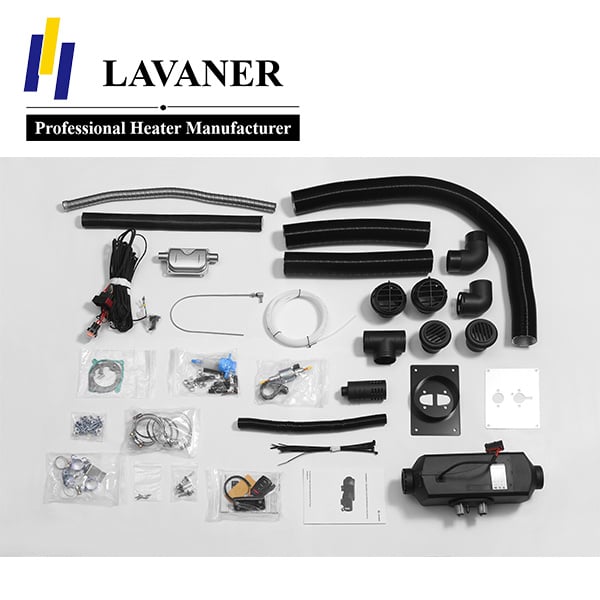
Diesel heaters are widely used for winter heating in RVs, vans, boats, and off-grid cabins. Cold weather, however, introduces additional operating challenges that can affect performance and reliability. Understanding these factors helps ensure stable operation throughout the winter season.
How Cold Weather Affects Heater Operation
Low temperatures increase heat loss and place higher demand on heating systems. Metal components contract slightly in cold conditions, and batteries may deliver reduced output, which can affect startup performance.
In colder environments, heaters often run longer at higher output levels to maintain comfortable indoor temperatures. Good insulation and stable power supply help reduce unnecessary load.
Fuel Selection and Storage
Diesel fuel behaves differently at low temperatures. Standard diesel may thicken or form wax crystals in extreme cold, potentially affecting fuel flow.
Using appropriate seasonal fuel and storing it properly helps maintain consistent performance. Clean fuel and well-maintained fuel lines support stable combustion during winter operation.
Cold-Weather Startup Considerations
Cold starts typically require more energy than operation in mild temperatures. Ensuring adequate battery voltage and allowing the heater to complete its startup cycle without interruption helps improve reliability.
Frequent on-off cycling during cold starts should be avoided where possible, as stable operation generally supports cleaner combustion.
Reducing Winter-Related Issues
Extended low-output operation in very cold conditions may increase the likelihood of carbon buildup or condensation within exhaust components. Periodic operation at normal working temperature and regular inspection can help reduce these effects.
Keeping air intakes and exhaust outlets clear of snow and ice is also important for stable airflow and safe operation.
Routine Winter Checks
During winter use, periodic inspection of fuel lines, electrical connections, and airflow pathways helps maintain reliable operation. Following manufacturer maintenance recommendations supports long-term performance.
Conclusion
Cold-weather operation places additional demands on diesel heaters, but proper fuel selection, installation quality, and routine checks help maintain stable performance throughout the winter season.