
 EN
EN
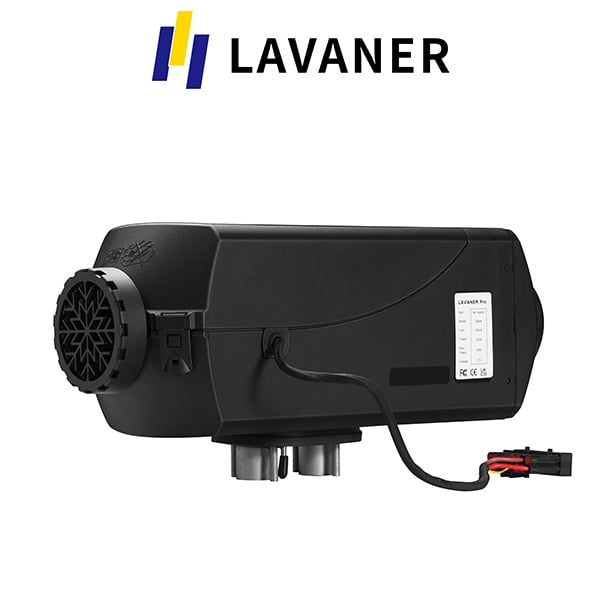
Safety and durability are often discussed in terms of fuel type, but real-world performance depends on broader system-level factors. This article outlines what truly influences heater safety and long-term reliability.
How Safety Is Achieved in Real Use
Heater safety is the result of controlled combustion, reliable exhaust routing, electrical protection, and clear installation guidelines. Certified components and tested designs form the foundation, but correct installation and operation are equally important.
Durability as a Design and Maintenance Outcome
Long-term durability depends on material quality, thermal stress management, and resistance to corrosion. Regular maintenance, such as periodic inspection and cleaning, has a significant impact on service life regardless of fuel type.
Cold Operation and Long-Term Reliability
Cold environments increase mechanical and thermal stress. Designs that accommodate expansion and contraction, along with proper operating practices, help maintain reliability over time. Cold-weather performance should be viewed as a combined result of design, fuel handling, and maintenance.
Matching the Heater to the User
The most reliable heater is one that matches the user’s application, installation conditions, and maintenance expectations. Choosing a heater that aligns with these factors is more important than focusing on data comparisons alone.
Final Perspective
Safety and durability are system-level outcomes shaped by design, installation, and care. Understanding these relationships allows users to operate their heaters confidently and responsibly.