
 EN
EN
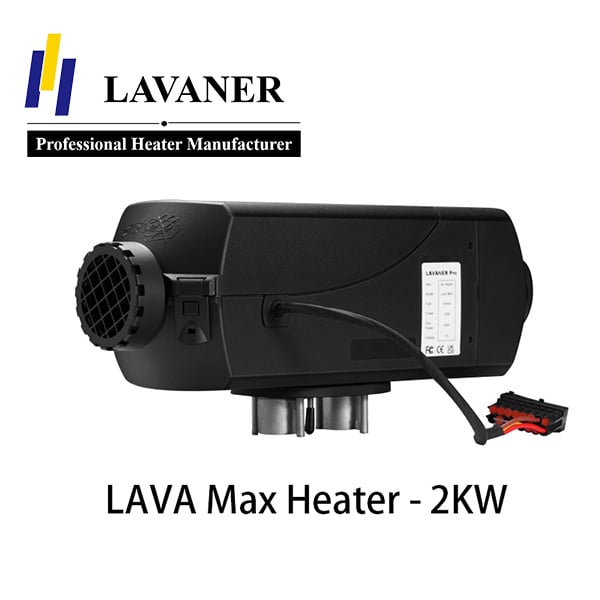
Common Causes and Practical Optimization Tips.
Diesel heaters are widely used in RVs, vans, and boats because they provide reliable and efficient heating. However, some users notice that actual fuel consumption can be higher than expected in real-world use. Understanding what affects fuel consumption helps improve efficiency and avoid unnecessary operating costs.
Why Fuel Consumption Varies in Real Use
Fuel consumption is influenced by more than just the heater’s rated power. External temperature, insulation quality, altitude, and heating habits all affect how often and how long the heater operates.
In very cold conditions, the heater must run at higher output levels for longer periods to maintain a stable indoor temperature. Poor insulation or frequent door openings can also increase heat loss, leading to longer run times and higher fuel use.
Fuel quality plays an important role as well. Clean, appropriate-grade diesel supports stable combustion, while contaminated or degraded fuel can reduce combustion efficiency and increase consumption.
Temperature Settings and Fuel Use
Temperature settings directly affect operating cycles. Running the heater continuously at maximum output will naturally consume more fuel than maintaining a stable, moderate temperature.
Using thermostatic or automatic control modes allows the heater to adjust output according to actual heating demand. Maintaining a consistent temperature rather than repeatedly raising and lowering settings generally improves efficiency and comfort.
Maintenance and Combustion Efficiency
Over time, carbon deposits and dust may accumulate inside the combustion chamber, heat exchanger, and air pathways. These deposits can reduce heat transfer efficiency and lead to higher fuel consumption for the same heating output.
Regular inspection and maintenance help maintain stable combustion and efficient heat exchange. Maintenance should always follow manufacturer recommendations and appropriate service intervals.
Matching Heater Output to Actual Space
Heater sizing has a significant impact on fuel consumption. An oversized heater in a small space may cycle on and off frequently, while an undersized heater may run continuously at high output. Both situations can reduce overall efficiency.
Selecting a heater that matches the volume and insulation level of the space allows more stable operation and balanced fuel use.
Daily Usage Habits
Everyday operating habits also influence long-term consumption. Sudden temperature adjustments, unnecessary high-power operation, or running the heater in poorly insulated spaces can increase fuel use.
Maintaining stable settings, improving insulation, and allowing the heater to operate steadily usually result in more efficient performance.
Conclusion
Higher-than-expected fuel consumption is usually the result of environmental conditions, installation factors, maintenance, and usage habits rather than a single technical issue. By understanding these factors, users can improve efficiency and maintain consistent heating performance.