
 EN
EN
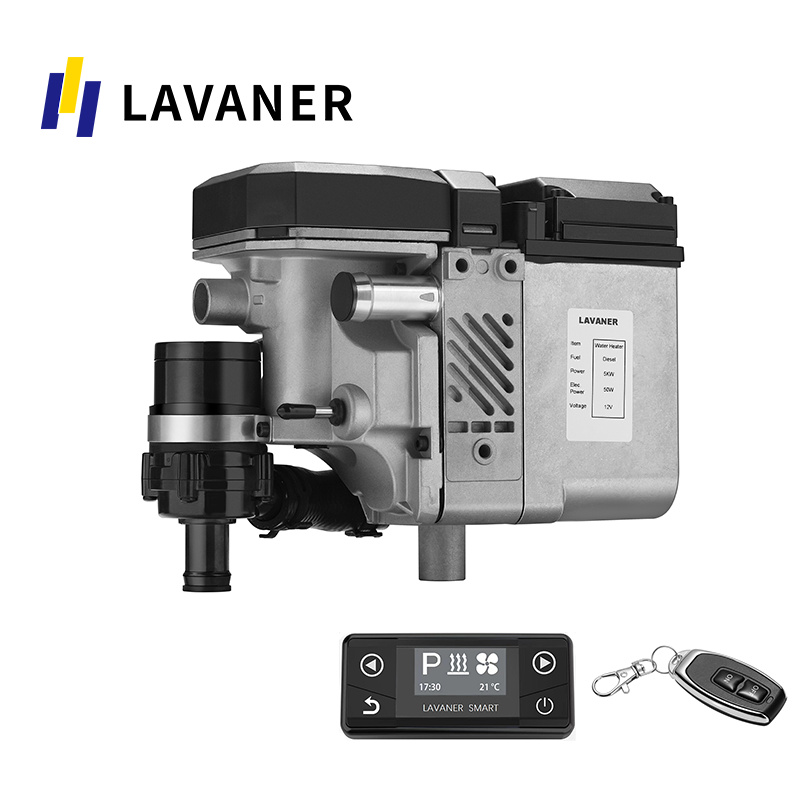
Modern diesel heating systems are no longer limited to simple on/off operation. With the right control system, users can manage temperature more accurately, reduce unnecessary fuel use, receive fault information earlier, and operate the heater more conveniently.
For RV owners, marine users, workshops, and commercial fleets, smart control functions can make the heating system easier to use. However, an upgrade should be planned carefully. Controls must be compatible with the heater model, voltage, wiring harness, and safety logic.
Main Components of a Smart Control Upgrade
A smart heating control system usually includes several key parts. The visible part is the user controller, which may be a digital display, rotary controller, touchscreen, or app-based interface. It allows the user to set temperature, operating mode, schedules, and sometimes fault information.
A temperature sensor provides feedback from the heated area. Its position is important because a sensor placed next to a hot outlet, cold draft, or exterior wall may give inaccurate readings. Good sensor placement helps the heater respond to the real comfort level inside the space.
The control module processes the sensor signal and communicates with the heater. Depending on the heater design, this may involve a dedicated control board, relay module, or digital communication interface. Remote functions may require Bluetooth, Wi-Fi, or a mobile network module. A stable power supply and proper wiring protection are also necessary for reliable operation.
How Temperature Control Improves Efficiency
Precise temperature control helps the heater avoid unnecessary full-power operation. Once the target temperature is reached, a suitable control system can reduce output, maintain a lower operating level, or cycle the heater according to the manufacturer’s logic.
This can improve comfort and reduce fuel waste because the system does not continue heating far beyond the user’s actual need. For example, maintaining a stable cabin temperature is usually more efficient than repeatedly overheating the space and then allowing it to cool down again.
Programmable schedules can also improve efficiency. A vehicle, boat, or workshop may not need the same temperature all day. Users can preheat the space before use, reduce the target temperature during sleep or absence, and activate frost-protection mode in cold weather.
Remote Monitoring and User Convenience
Remote monitoring allows the user to check heater status without being next to the vehicle or equipment. Depending on the system design, the user may be able to start or stop the heater, change the target temperature, view operating status, or receive fault alerts.
For personal users, this can mean entering a warm camper van, boat cabin, or workshop instead of waiting for the space to heat up. For fleets, remote monitoring can help managers check whether heaters are operating correctly and whether vehicles are protected during cold nights.
Fault alerts are particularly useful. Low voltage, flameout, overheating, or abnormal temperature readings can be addressed earlier when the user receives a notification. This reduces the chance of discovering a problem only when heat is urgently needed.
Compatibility Checks Before Upgrading
Before installing a new controller, confirm the heater model and rated voltage. A 12V controller should not be connected to a 24V system unless it is specifically designed for that range. The wiring harness, fuse rating, connector type, and cable condition should also be checked.
Communication compatibility is just as important. Some heaters use simple analog control, while others rely on digital communication between the controller and main board. A controller that looks similar may not work correctly if the protocol or firmware does not match the heater.
The upgrade should never bypass original safety functions such as overheat protection, flame monitoring, low-voltage protection, or shutdown ventilation. If a control upgrade requires changes to the main board or wiring harness, it should be completed according to the manufacturer’s technical guidance.
Installation and Testing After the Upgrade
After installation, the system should be tested through the full operating process: startup, temperature regulation, low-power running, shutdown, and fault display. Remote functions should be checked in the actual installation environment, because signal strength may be affected by metal vehicle bodies, cabinets, walls, or marina conditions.
The user should also confirm that the temperature reading matches the real cabin or room condition. If the displayed temperature is consistently too high or too low, the sensor position may need adjustment.
For commercial users, it is helpful to define access permissions. A fleet manager may need full control, while a driver or operator may only need basic temperature adjustment. Clear permissions reduce misuse and make the system easier to manage.
Conclusion
A smart control upgrade can improve comfort, convenience, and operating efficiency, but only when it is compatible with the heater and installed correctly. Users should review voltage, communication protocol, wiring condition, sensor placement, remote signal quality, and safety functions before choosing an upgrade. With proper planning, smart controls can make a diesel heating system easier to use and more reliable in daily operation.