
When it gets cold outside, many businesses need to stay warm. One popular way to heat spaces is by using diesel and kerosene heaters. These heaters are great for different types of work environments, like construction sites, warehouses, and even outdoor events. Lavaner makes some of the best heaters in the market, and they are known for being reliable and efficient. , we will talk about how to choose the right diesel and kerosene heater for your business and compare their efficiency and costs. Understanding these things can help you pick the best heater to fit your needs.
Choosing the right heater can feel tricky, but it doesn’t have to be! First, think about the size of the space you need to heat. If you have a big warehouse, you will need a more powerful heater. Lavaner heaters come in different sizes and capacities, so you can find one that fits your space perfectly. Next, consider how often you will use the heater. If you need it every day, it’s worth investing in a high-quality model. Also, think about the fuel type. Diesel heaters are usually more fuel-efficient, while kerosene heaters are easier to find and use. You should also think about safety features. Look for heaters that have automatic shut-off systems in case they get too hot. This can help prevent accidents. Lastly, read reviews and ask other businesses what heaters they use. This can give you a better idea of what works well. By considering these factors, you can choose the best heater for your business needs. For instance, if you're looking for high-quality options, you might want to check out our LAVA Max Alpine- 2KW VW T7 Kits.
Now let’s look at how diesel and kerosene heaters compare when it comes to efficiency and cost. Diesel heaters are often more efficient than kerosene heaters. They can produce more heat for less fuel, which can save you money in the long run. However, diesel fuel can sometimes be more expensive than kerosene. On the other hand, kerosene heaters are usually cheaper to buy and have lower initial costs. This might be a good choice if you are just starting out or have a smaller budget. But remember, they might not last as long or heat as effectively as diesel heaters. It's important to calculate how much you will spend on fuel for each type of heater over time. For example, if you use a kerosene heater often, the fuel costs might add up quickly. But if you invest in a diesel heater, you might pay less in fuel over the years. Always weigh the upfront costs against the long-term savings to make the best choice for your business. Additionally, consider looking into our LAVA Max Alpine- 2KW Premium Kits for a reliable heating solution.
Diesel and kerosene heaters are useful tools, especially in cold weather. They help keep homes, workshops, and other spaces warm. However, like any machine, they can sometimes have problems. One common issue is that the heater might not start. This can happen if the fuel is old or if there is not enough fuel in the tank. To fix this, make sure to check the fuel level and use fresh diesel or kerosene. It’s a good idea to change the fuel every season to keep the heater running well.
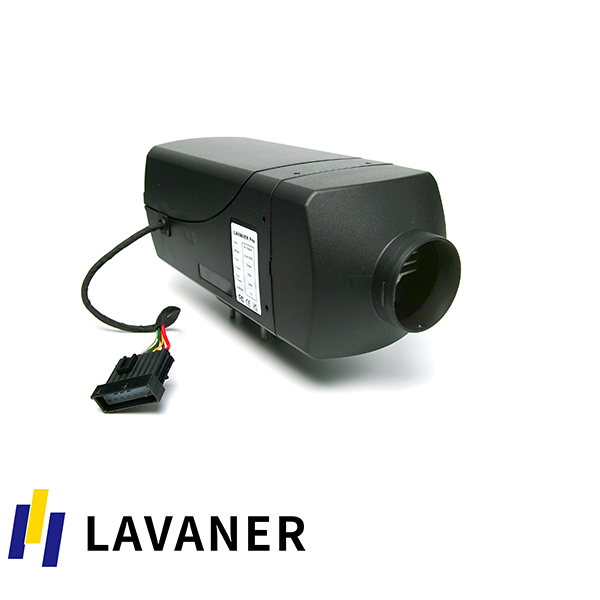
Another problem can be smoke or strange smells coming from the heater. This might mean that there is dirt or soot built up inside. Cleaning the heater regularly can help prevent this issue. To do this, you should turn off the heater and let it cool down. Then, you can clean the outside with a cloth and check the inside for any dust or dirt. Remember to read the instructions from Lavaner to learn the best way to clean your specific heater.
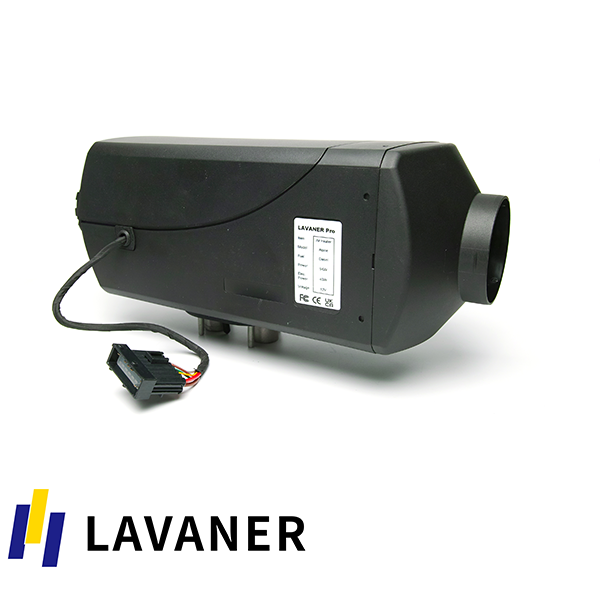
To make sure your diesel and kerosene heaters work well, regular maintenance is very important. First, check the fuel tank often. It is essential to keep the heater filled with good quality fuel. Old fuel can cause problems, so always use fresh diesel or kerosene. It’s also a good idea to fill the tank during the warmer months when prices are lower. Keeping an eye on the fuel level helps avoid running out during cold weather when you need heat the most.
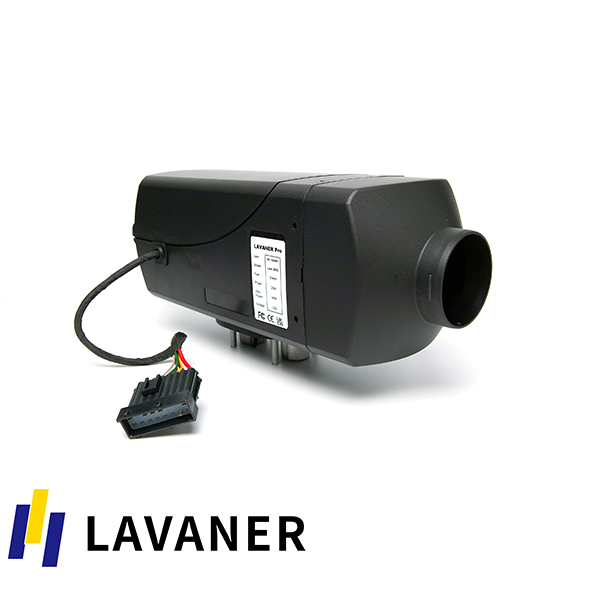
Another reason these heaters are preferred is that they are portable. Many diesel and kerosene heaters are designed to be moved around easily. This is helpful in industries where heating needs might change. For example, if workers need to move to a different part of a factory, the heater can be moved with them. This flexibility allows companies to use their heating equipment efficiently and save on heating costs.
 EN
EN