
A hydronic heating system is a smart way to keep your RV warm and cozy. Instead of using noisy heaters or relying on electricity alone, this system uses hot water to heat the air inside. It works by heating water in a boiler and then circulating it through pipes that run underneath the floors or along the walls. This means the heat spreads evenly, making it feel nice and warm, just like your home. Using a hydronic system can save energy and help you stay comfortable during cold nights while camping or traveling. At Lavaner, we focus on making heating systems that fit your needs, ensuring that your RV is warm and inviting no matter where you are.
Understanding the Benefits of Hydronic Heating Systems for RVs is important for RV owners who want to travel comfortably. One big benefit is energy efficiency. Since hot water moves through pipes, it can heat the space without using much energy. This is great when you are off the grid and need to save battery power. Another advantage is that hydronic heating systems are quiet. Unlike traditional heaters that make a lot of noise when they work, these systems run smoothly and quietly, allowing for a peaceful environment. Plus, the even heat distribution means no cold spots in your RV, so everyone can stay warm. Safety is another plus. Hydronic systems generally have lower surface temperatures, reducing the risk of burns. They also don’t use open flames, which is safer in a small space. Additionally, these systems can be connected to other heating sources, like solar panels, making them versatile. With Lavaner’s products, you get all these benefits plus high-quality materials that last. Imagine being able to enjoy a hot cup of cocoa in your RV while snow falls outside, all thanks to a reliable hydronic heating system. If you are looking for top-notch components, consider checking our Fuel parts for optimal performance.
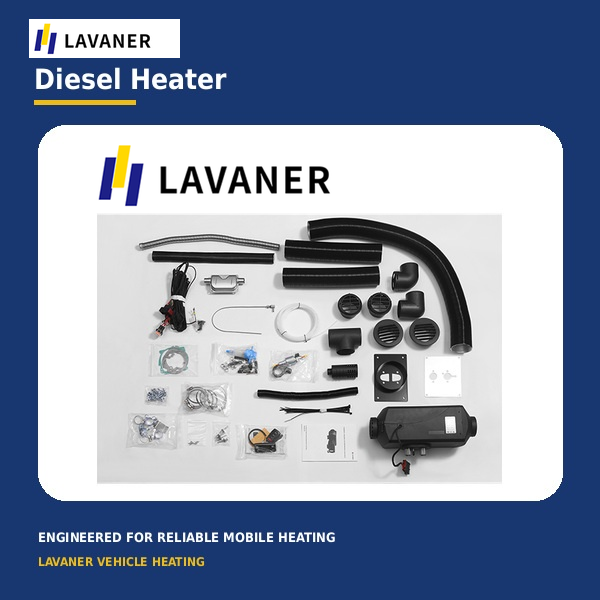
A Step-by-Step Guide to installing a hydronic heating system in your RV can help you enjoy the benefits. First, gather all the necessary materials. You will need a boiler, pipes, radiators or floor heating mats, and a thermostat. Make sure you choose a boiler that fits your RV size. Next, plan where you want to place the boiler and the pipes. It’s smart to think about how hot water will flow and how to keep it hidden but accessible. After planning, start installing the boiler according to the instructions. Ensure it is securely mounted and connected to a power source. Once the boiler is in place, run the pipes to where you want the heat to be. You can lay them under the floor or along walls for radiators. Make sure the connections are tight to avoid leaks. After that, connect the radiators or heating mats to the pipes. It’s important to check that everything is working right before sealing up any walls or floors. Finally, install the thermostat where it can be easily reached and set it to your desired temperature. Once everything is set up, fill the system with water and check for leaks. Testing the system is crucial to ensure everything is working properly. With Lavaner's high-quality components, including our T5/6 Installation kit, you can enjoy a warm RV, making your travel experiences more enjoyable.
When it gets cold outside, staying warm in your RV is really important. One way to heat your RV is by using a hydronic heating system. This system uses water to carry heat throughout your RV, making it cozy even on the chilliest nights. But is it cost-effective? Let’s find out! First, think about the energy source. Hydronic systems can use different fuels, like propane or even electricity, to heat the water. Propane might be cheaper in some areas, but it can also be more expensive in others. That’s why it’s a good idea to check local prices before deciding.
Next, consider how well the system uses energy. Hydronic heating systems are known for being very efficient. This means they can heat your RV quickly without wasting too much energy. When you save energy, you also save money on your fuel costs. Another great thing about hydronic systems is that they can provide even heat. Unlike some heating systems that leave cold spots, hydronic heating warms every corner of your RV. This means you don’t have to crank up the heat as much, which saves even more money.
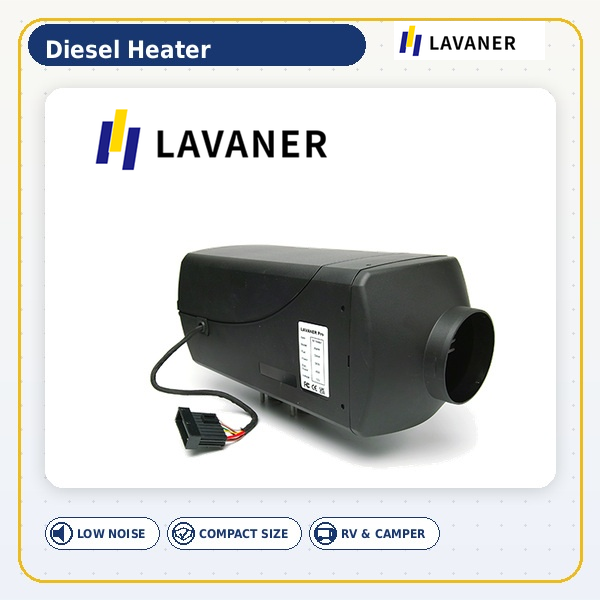
Now, let’s look at the long-term savings. While the initial cost of installing a hydronic heating system might seem high, it can pay off over time. With less energy wasted and more comfort, you’ll likely find that your monthly costs decrease. Plus, having a warm and cozy RV can make your trips more enjoyable, encouraging you to travel more often. This means you get more use out of your RV, which is a great value!
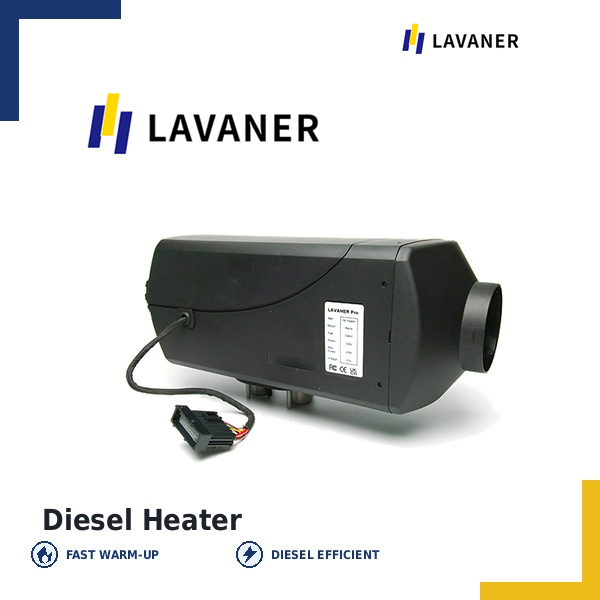
If you’ve decided to install a hydronic heating system in your RV, you’ll need to buy the right parts. But where do you start? One of the best places to find high-quality components is online. Websites specializing in RV parts often have a wide selection. Look for trusted sellers that offer detailed descriptions and customer reviews. This way, you can be sure you’re getting good quality.
 EN
EN