
RV water heaters are important for enjoying warm showers and washing dishes while camping or traveling. When your RV water heater stops working, it can be frustrating. You might wonder, “Should I fix it or replace it?” Sometimes, replacing it is the best option. It can be more efficient and save you money in the long run. At Lavaner, we understand the challenges of RV maintenance, and we want to help you through the process of replacing your water heater. Let’s explore some common issues with RV water heaters and how to fix them, followed by a step-by-step guide on replacing your water heater.
RV water heaters can have several problems. One common issue is when the water doesn’t get hot enough. This could be due to a faulty thermostat. If your water heater has a thermostat, check if it’s set correctly. Sometimes, simply adjusting the temperature can solve the problem. Another issue is strange noises coming from the heater. If you hear popping or banging sounds, it could be due to sediment buildup. Flushing the heater can help remove this buildup. Do this by turning off the water supply, draining the tank, and flushing it with clean water. If the water heater is leaking, check the connections and the tank. Tightening loose connections can sometimes stop leaks. If the tank is rusty or corroded, it may be time to replace the unit. Lastly, if the heater won’t turn on, check the power supply or gas line. Sometimes, it’s just a matter of resetting a breaker or ensuring the gas valve is open. Remember, regular maintenance can help prevent many of these issues. For further assistance, consider checking our Fuel parts for components that may need replacement.
Replacing an RV water heater might sound complicated, but it can be done with some basic tools and patience. First, gather your tools. You’ll need a wrench, screwdriver, and a bucket for draining water. Start by turning off the power and water supply to the heater. Next, drain the old water heater by attaching a hose to the drain valve and letting the water flow into the bucket. Once it’s empty, disconnect the power or gas lines carefully. Make sure to take pictures of the connections so you can remember how to set up the new heater. When you have removed the old heater, it’s time to install the new one. Place the new water heater in the same spot as the old one. Reconnect the power and water lines just like they were before. Be sure to check for leaks after you turn the water back on. Finally, turn on the heater and let it warm up. Test the hot water to make sure everything is working properly. If you feel unsure at any point, don’t hesitate to consult a professional or refer to the manufacturer’s instructions. With the right approach, you’ll have hot water in no time! And if you're looking for a reliable replacement, explore our range of 5KW Standard Kits for your needs.
When you think about an RV, one important part is the water heater. A high-quality RV water heater is something that makes your trips much more enjoyable. So, what makes a good water heater stand out? First, let's talk about how fast it heats water. A great water heater can heat water quickly, so you don’t have to wait long for hot showers or washing dishes. Imagine after a long day of hiking, you want a hot shower right away. A quick-heating water heater can make that happen! Second, we should look at the size. A good RV water heater should fit well in your RV and provide enough hot water for everyone. If you travel with family or friends, you need a water heater that can give enough hot water for multiple showers or dishes.
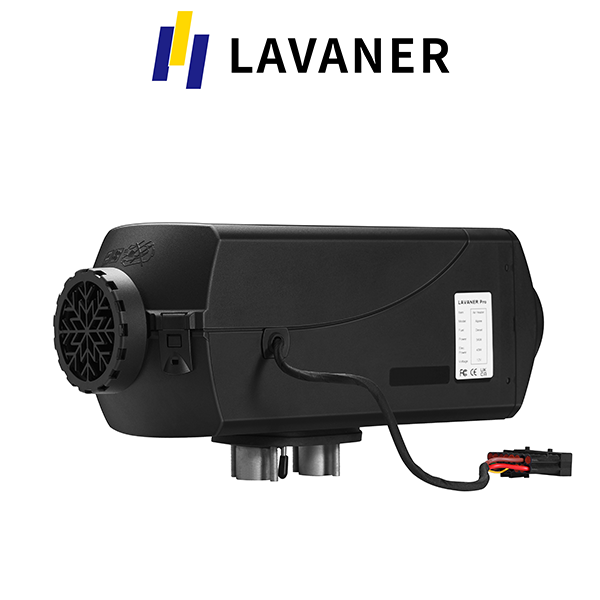
Another important feature is energy efficiency. A high-quality water heater uses less energy, which helps save on fuel costs while you're on the road. This means more money for fun stuff, like snacks or activities! The material used in making the water heater is also essential. A good quality water heater is made from durable materials that can last a long time. It should be able to handle bumps and shakes while you drive on rough roads. Lastly, a high-quality water heater should be easy to maintain. This means you won’t have to spend a lot of time and effort to keep it working well. With Lavaner’s RV water heaters, you can trust that you are getting a product that stands out in all these areas, making your RV experience much better.
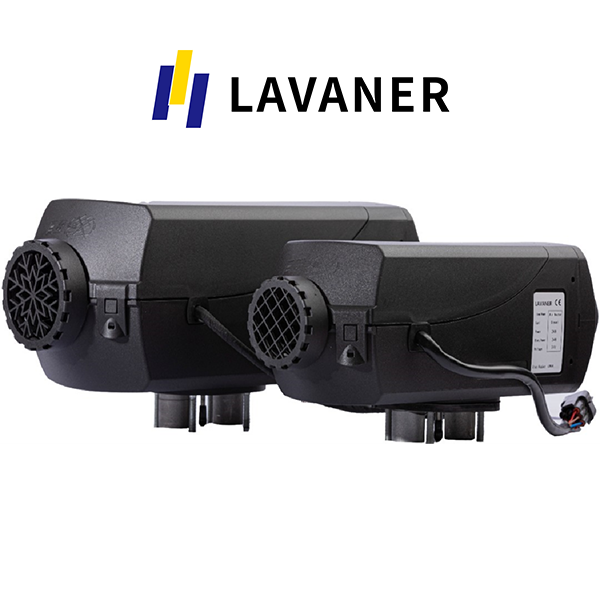
Now, let’s answer some common questions about replacing an RV water heater. One big question is, "How do I know when to replace my water heater?" If your water heater is old and not heating water well anymore, it might be time for a change. Also, if you notice leaks or cracks, that can be a sign that replacement is needed. Another question is, "Can I replace the water heater myself?" If you're comfortable with tools and have some experience, you might be able to do it. However, if you're unsure, it’s better to ask a professional for help. It’s important to ensure everything is done correctly to avoid problems later.
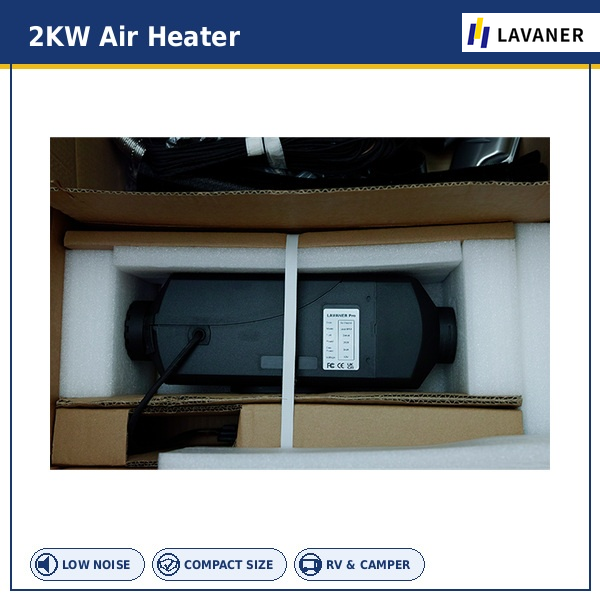
People also often ask, "How long does it take to replace an RV water heater?" Typically, it can take a few hours, especially if you're doing it yourself. But if you hire someone, they might finish it quicker. Lastly, many people wonder about the cost to replace an RV water heater. The price can vary depending on the type of water heater you choose and whether you do it yourself or hire someone. Lavaner offers various options that can fit different budgets and needs, making it easier to find the right one for you.
 EN
EN