
 EN
EN
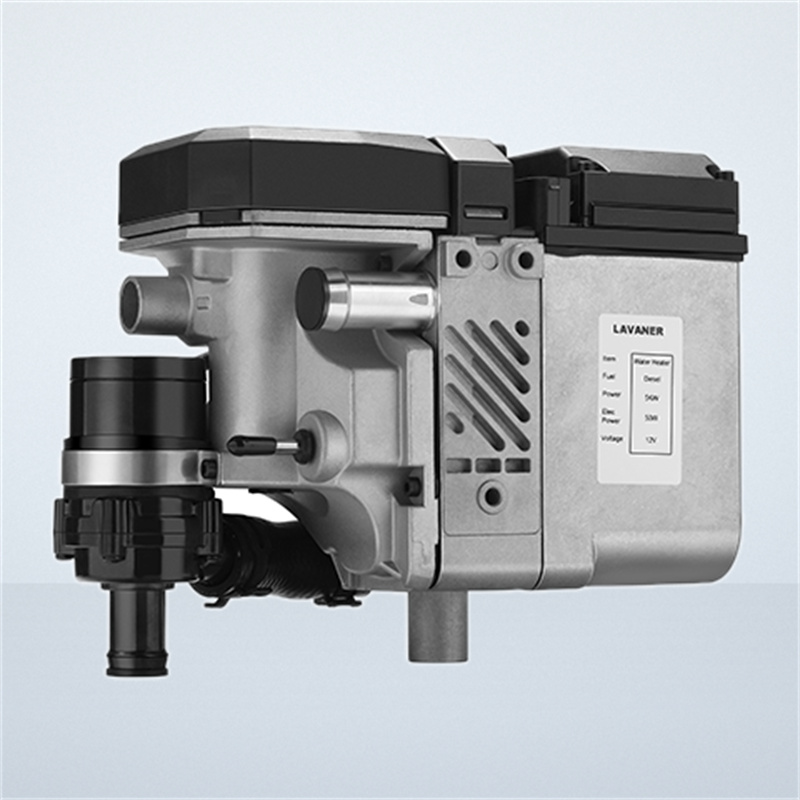
A hydronic water heater uses a heated liquid circuit to distribute warmth through radiators, fan coils, heat exchangers, or underfloor loops. For vehicles, boats, cabins, and other mobile or compact spaces, this type of system can provide steady heat with good comfort and low interior noise.
However, the right result depends heavily on correct product selection. A heater that is too small may struggle in cold weather, while a heater that is too large may cycle frequently and create unnecessary wear. Materials, coolant compatibility, electrical requirements, and installation layout are just as important as rated heating output.
The following points provide a practical framework for selecting a hydronic water heater for mobile or off-grid applications.
Match Heating Capacity to the Real Application
Heating capacity is usually listed in kilowatts (kW), but the best choice is not simply the highest number on the specification sheet. The correct capacity depends on cabin size, insulation quality, window area, expected outside temperature, airflow, and how the heat will be distributed inside the space.
For a compact camper van, a small and well-designed system may be sufficient. Larger RVs, boats, workshops, and commercial vehicles usually require a higher output or a better distribution layout. In cold regions, poor insulation and long coolant loops can increase heat demand significantly.
An undersized heater may run almost continuously and still fail to reach the target temperature. This can increase fuel use, create user dissatisfaction, and shorten component life. An oversized heater can also cause problems, especially if the system reaches temperature too quickly and then shuts down repeatedly. Frequent cycling may reduce comfort and can increase the chance of soot buildup if combustion conditions are not stable.
A reliable selection process should consider the total heated volume, insulation level, climate, coolant loop design, and expected duty cycle. For irregular layouts or very cold operating environments, it is better to review the installation plan with a technical supplier before finalizing the heater model.
Review the Coolant Circuit, Not Only the Heater Unit
A hydronic heater is only one part of the complete heating system. The coolant circuit must move heat from the heater to the areas where heat is needed. Hose length, hose diameter, pump capacity, radiator size, air bleeding, and coolant flow resistance all affect final performance.
Long or complicated coolant routes can reduce flow and make the system slower to respond. High points in the circuit should be designed carefully because trapped air can cause cold spots, pump noise, unstable temperature readings, or heater shutdown. Where possible, the system should include practical bleeding points and service access.
The layout should also allow for thermal expansion and safe pressure control. Coolant hoses and fittings must be rated for the expected temperature and pressure range. A neat, serviceable coolant circuit is often more important than adding unnecessary components.
Check Materials and Sealing Quality
Material selection has a direct effect on durability and leak resistance. The heat exchanger should be suitable for repeated heating and cooling cycles, vibration, and the coolant used in the system. Aluminum, stainless steel, and copper-based alloys can all be used in different heater designs, but each material must be protected and applied correctly.
Coolant passages, seals, and hoses should be compatible with the selected coolant. In mobile applications, EPDM or silicone-based hoses are commonly used because they can handle heat, pressure, and vibration better than low-grade plastic hose. Seals and O-rings should be rated for temperature and coolant exposure.
Fittings should also be corrosion-resistant and mechanically secure. Poor-quality fittings can loosen under vibration or corrode in humid environments. Before choosing a heater, it is worth checking whether the supplier performs pressure testing and whether replacement seals, hoses, and service parts are available.
Confirm Compatibility with the Existing System
A hydronic heater must work with the vehicle, vessel, or equipment into which it is installed. The first check is electrical compatibility. Many mobile systems use 12V or 24V DC power, and the heater, controller, pump, and wiring harness must all match the system voltage.
Fuel compatibility is also important for diesel-fired units. The fuel line, pump position, filter arrangement, and fuel quality should follow the heater manufacturer’s instructions. Incorrect fuel supply can lead to flameout, unstable operation, smoke, or excessive carbon buildup.
Physical installation is another key factor. The heater needs secure mounting, access to combustion air, safe exhaust routing, coolant hose clearance, wiring protection, and service space. Mounting the unit in a cramped or poorly ventilated area may make maintenance difficult and can affect reliability.
Consider Serviceability, Controls, and Certification Needs
A good hydronic system should be serviceable. Common maintenance items such as the glow plug, fuel filter, pump, sensors, and seals should be accessible without removing large parts of the vehicle or cabin interior. Clear fault codes and practical diagnostic support can also reduce downtime.
Controls should match the user’s real needs. A simple thermostat may be enough for basic heating, while RV, marine, or fleet users may prefer programmable control, remote start, or frost-protection functions. The control system should never bypass the heater’s original safety logic.
Finally, check the certifications and documentation required for the target market and application. Commercial fleets, marine installations, and insured vehicles may require specific approvals, installation records, or safety documentation. Confirm these requirements before ordering, not after the system has been installed.
Conclusion
Choosing a hydronic water heater is not only about rated power. A reliable system depends on correct sizing, a well-designed coolant circuit, durable materials, compatible fuel and electrical connections, and easy service access. By reviewing these factors early, users can avoid poor heating performance, leaks, installation problems, and unnecessary long-term costs.