
 EN
EN
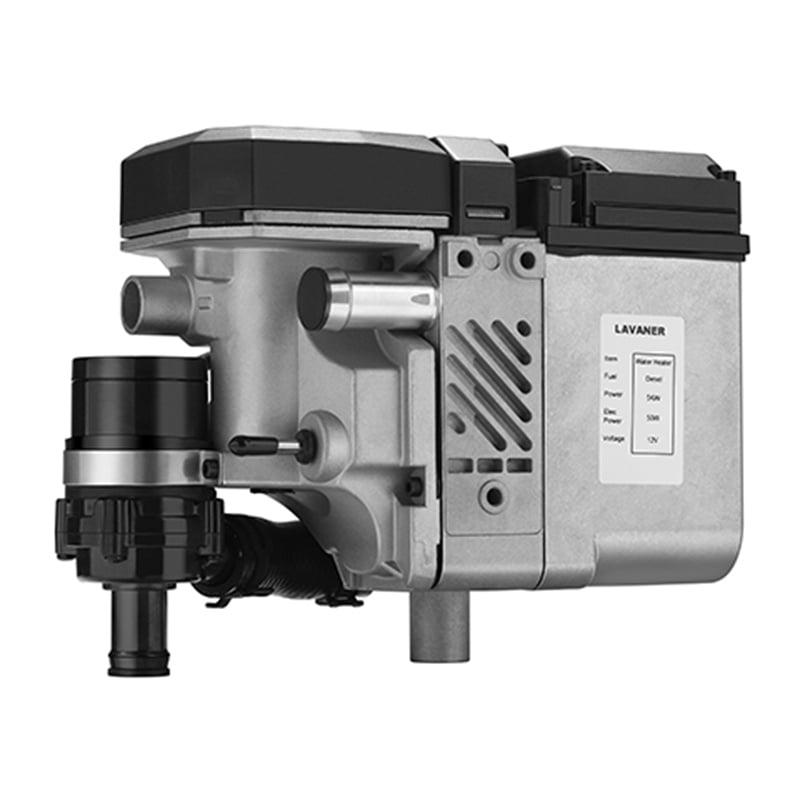
Hydronic diesel heating systems and electric heaters can both provide useful heat, but they are designed for very different operating conditions. Electric heaters are simple, quick to use, and convenient when stable grid or shore power is available. Hydronic diesel systems are more complex, but they are often better suited for mobile, off-grid, and cold-weather use.
The right choice depends on where the heater will be used, what power source is available, how long the heat must run, and how much comfort the user expects.
Energy Source and Operating Efficiency
Electric resistance heaters convert nearly all of the electricity they receive into heat at the point of use. This makes them simple and efficient when plugged into a reliable power supply. For a room, workshop, or campsite with sufficient shore power, an electric heater can be a practical short-term solution.
The limitation appears when electricity must come from batteries. Heating requires a large amount of energy, and a small battery bank can be drained quickly if it is used to power an electric heater for several hours. This is why electric heaters are usually not the best primary heat source for off-grid RVs, boats, or parked commercial vehicles.
Diesel-fired hydronic heaters use fuel with high energy density and only require a relatively small amount of electricity for the controller, pumps, and fan. This makes them useful where long operating time is required and grid power is not available. The overall system efficiency still depends on installation quality, combustion control, insulation, and heat distribution design.
Comfort and Heat Distribution
Hydronic systems distribute heat through warm liquid. The heat can be delivered through radiators, fan coils, towel rails, underfloor loops, or heat exchangers. Because the coolant stores heat, the system can provide a more stable indoor temperature and reduce the sharp hot-and-cold cycling that some air systems create.
This type of heating is especially comfortable in small living spaces because it can warm surfaces and occupied areas more evenly. A well-designed hydronic system can also support multiple heating points, which helps reduce cold corners and improves comfort during long winter use.
Electric heaters are usually faster to start and easier to move. A fan heater can raise the air temperature quickly, while a radiant electric heater can warm a person or object directly. However, many portable electric heaters heat only a limited area. Fan-forced models may also create more noise and move dust around the cabin or room.
Installation Complexity and Power Demand
Electric heaters are easy to use because they usually require only a suitable electrical outlet. The user does not need fuel lines, exhaust routing, coolant hoses, or a circulation loop. This is one of their biggest advantages for temporary or occasional heating.
Hydronic systems require more planning. The heater must be mounted securely, the coolant circuit must be routed correctly, and combustion intake and exhaust must be installed safely. The system also needs proper electrical protection and enough service access for maintenance.
Although the installation is more complex, the electrical demand during normal operation is usually much lower than that of electric resistance heating. For vehicles and boats with limited battery capacity, this difference can be decisive.
4. Maintenance and Long-Term Ownership
Electric heaters have fewer components and require little routine maintenance. However, many low-cost portable units are not designed for repair. If the heating element, fan, thermostat, or internal wiring fails, replacement of the complete unit may be the only practical option.
Hydronic diesel systems require periodic inspection. Fuel filters, glow plugs, pumps, coolant, hoses, and seals should be checked according to the manufacturer’s maintenance guidance. Combustion performance can also be affected by poor fuel quality, blocked air intake, incorrect exhaust routing, or long periods of low-power operation.
The advantage is that many hydronic systems are built from serviceable components. When spare parts and technical support are available, the system can often be maintained for years rather than replaced as a whole.
Best-Fit Applications
For grid-connected rooms, garages, or short-term use, electric heaters are often the simplest option. They are inexpensive to install and convenient when high electrical load is not a problem.
For RVs and camper vans, hydronic diesel heating is usually better for winter travel, overnight parking, and off-grid camping. It can use the vehicle’s fuel supply, consume limited battery power, and distribute heat to living areas, water tanks, or plumbing zones when designed correctly.
For boats, work vehicles, buses, and commercial fleets, hydronic systems can provide long-duration heat without idling the main engine. They may also support engine preheating or frost protection, depending on the installation design.
Conclusion
Electric heaters are convenient, simple, and effective when sufficient external power is available. Hydronic diesel systems require more planning and installation work, but they provide stronger advantages in mobile, off-grid, and cold-weather applications where long runtime, low battery consumption, and steady comfort matter most. The best choice should be based on the real power source, operating environment, and heating duration, not only the initial purchase price.