
 EN
EN
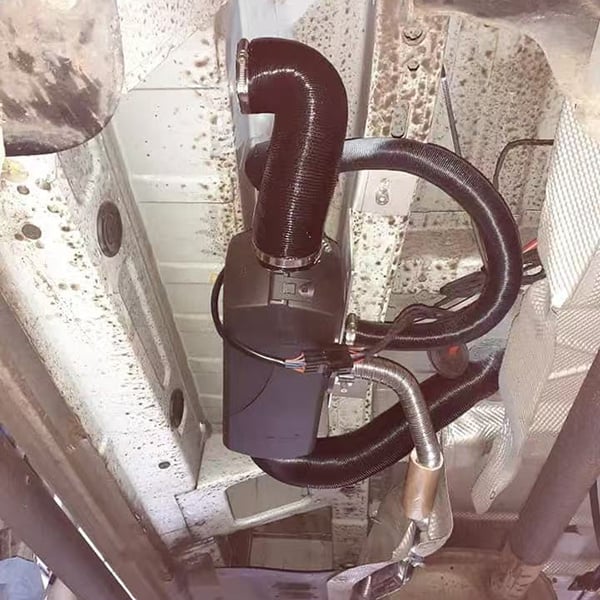
Protective enclosures can improve the durability of diesel heater systems, but installation quality has a major influence on how effective they are.
Poor placement, inadequate ventilation, or insufficient clearance may reduce heater performance and make future maintenance more difficult.
Placement Factors That Influence Performance
The enclosure should be installed in a location protected from standing water, heavy road spray, and excessive dirt.
Combustion air intake openings should remain exposed to clean air rather than dust, exhaust gases, or road debris. Mounting locations should also allow reasonable access to wiring, fuel lines, and service points.
Sealing and Ventilation Considerations
Protective enclosures should help limit moisture and dust entry, particularly around cable entries and fuel line openings.
However, diesel heaters still require adequate airflow for combustion and cooling. Enclosures should not completely block ventilation or trap excessive heat around the heater body.
Balancing sealing and airflow is one of the most important installation considerations.
Alignment and Clearance Requirements
The heater should have enough clearance around it for airflow, heat dissipation, and future maintenance.
Exhaust pipes, air ducts, and intake components should be routed without sharp bends or unnecessary restrictions. Tight installations may increase vibration, create airflow resistance, or make service work more difficult.
Why Proper Installation Supports Long-Term Reliability
Improper enclosure installation may contribute to overheating, corrosion, restricted airflow, or repeated error conditions.
Correct placement, sufficient ventilation, and proper clearances support more stable long-term operation and reduce the likelihood of unnecessary maintenance issues.