
 EN
EN
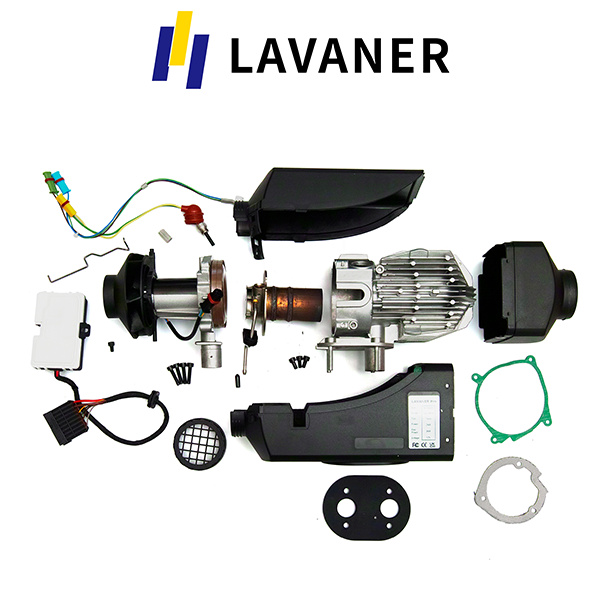
Diesel heaters are often installed in environments exposed to moisture, dust, road debris, vibration, and changing temperatures. Protective enclosures help shield the heater and supporting components from these conditions, improving long-term reliability.
Protection Against Dust, Moisture, and Physical Damage
Road spray, dust, snow, and debris can all affect heater performance over time. Dust may restrict air intake, while moisture can damage connectors, sensors, and wiring.
Protective enclosures help reduce direct exposure to these conditions. They also provide some protection against physical impacts from loose cargo, road debris, or accidental contact during maintenance.
Environmental Isolation and Corrosion Prevention
Heaters installed under vehicles or in external compartments are exposed to humidity, condensation, road salt, and other corrosive conditions.
A well-designed enclosure helps reduce direct exposure to these elements and supports longer service life for brackets, wiring, fuel lines, and external heater surfaces.
Corrosion protection is particularly important in applications where vehicles are used in winter conditions or coastal areas.
Supporting Stable Heater Operation Over Time
Dust, moisture, and vibration can affect sensors, electrical connections, and combustion-related components. Over time, this may lead to unstable ignition, shutdowns, or inconsistent heat output.
Protective enclosures help create a more stable operating environment around the heater, reducing unnecessary wear and helping the system operate more consistently.
Safety Considerations in Protected Installations
Protective enclosures can also reduce the risk of accidental contact with hot surfaces, exposed wiring, or moving components.
At the same time, the enclosure design must still allow sufficient airflow and access for maintenance. Completely sealing the heater without ventilation may create overheating risks.
A good enclosure balances protection, airflow, accessibility, and long-term durability.