
 EN
EN
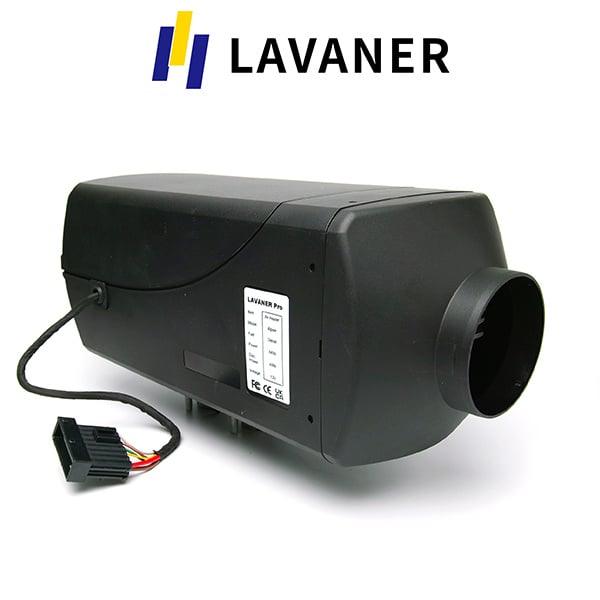
Compact diesel heaters are increasingly popular in RV applications, where installation space is limited and comfort expectations are high. However, reducing heater size while maintaining stable operation and acceptable noise levels presents several fundamental engineering constraints. Understanding these limitations helps users form realistic expectations and make better purchasing decisions.
Size Reduction and Combustion Stability
At the core of every diesel heater is a combustion chamber that must sustain stable ignition and continuous combustion. Reducing the physical size of this chamber limits the time and space available for fuel vaporization and flame stabilization. Below a certain size threshold, maintaining consistent combustion becomes more challenging, especially during startup and low-load operation.
As a result, compact heater designs often require tighter control tolerances, more precise fuel metering, and carefully managed airflow paths to ensure reliable performance.
Noise as a Design Trade-Off
Noise in diesel heaters originates from multiple sources, including the combustion process, the air-moving components, and mechanical vibration. Compact designs tend to concentrate these elements into a smaller enclosure, which can amplify sound if not properly managed.
While noise-reduction measures such as optimized fan geometry, vibration isolation, and controlled exhaust routing can significantly improve acoustic comfort, they inevitably compete with size constraints. Completely eliminating noise is neither practical nor realistic in compact diesel heater systems.
Maintenance Accessibility in Compact Designs
Another important consideration is service access. Smaller heater housings often leave less room for maintenance tasks such as cleaning the combustion chamber or inspecting internal components. Designers must balance compactness with sufficient access to ensure long-term serviceability.
Practical Perspective
Compact RV diesel heaters represent a series of engineering compromises rather than simple miniaturization. Size reduction, noise management, combustion stability, and maintenance accessibility are closely linked. Well-designed compact heaters acknowledge these trade-offs and aim for balanced performance rather than absolute extremes.