
 EN
EN
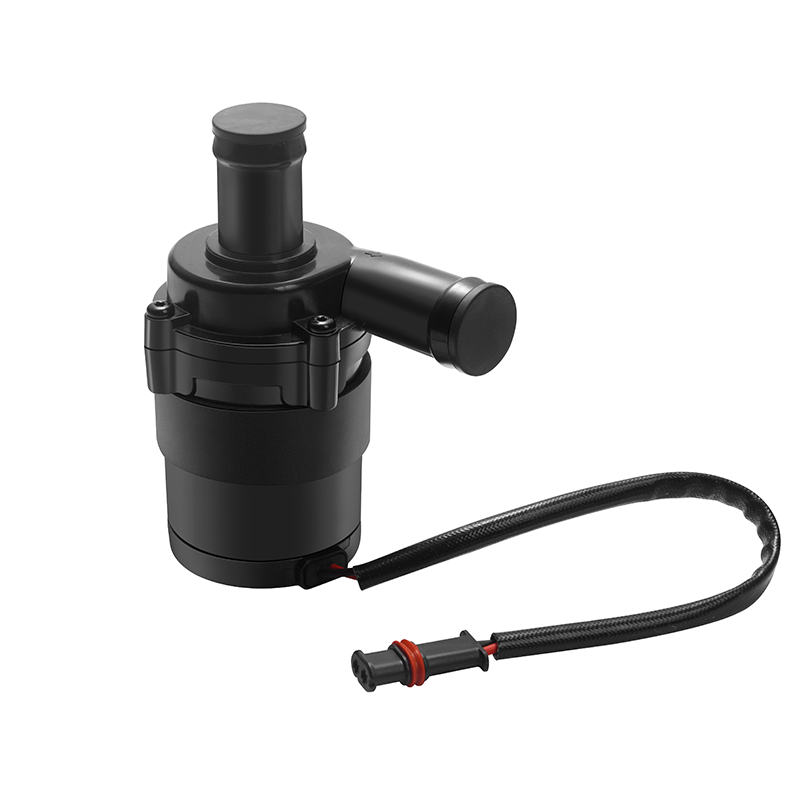
Water pumps and diesel heaters work together in hydronic heating systems commonly used in RVs, campervans, commercial vehicles, and marine applications. When heating performance becomes unstable, these components are often evaluated separately. In practice, however, the heater and pump influence each other directly, and isolated inspection may overlook the real cause of the issue.
How Pumps and Heaters Interact in Hydronic Systems
In a hydronic system, the diesel heater transfers heat to circulating coolant. The water pump keeps that coolant moving through hoses, heat exchangers, and the cabin heating circuit.
Stable coolant circulation is essential. If flow is too low, the heater may overheat, cycle unnecessarily, or struggle to deliver heat effectively. If flow is too high, the system may not retain enough heat for efficient transfer.
For this reason, heater output, hose layout, coolant volume, and pump performance must be considered together.
Common Performance Issues Caused by System Imbalance
When pump performance and heater capacity are not properly matched, several issues may appear:
· Frequent heater cycling
· Reduced cabin heat output
· Overheat shutdowns
· Noise caused by air pockets or unstable coolant flow
· Higher fuel consumption due to inefficient heat transfer
These symptoms are not always caused by a faulty heater or a faulty pump alone. In many cases, they result from the way the entire system is configured.
Why Isolated Inspection May Miss Root Causes
A heater may appear to function normally during bench testing while still performing poorly once installed in a vehicle with restricted coolant flow.
Similarly, a water pump may show acceptable flow under no-load conditions but struggle when connected to long hose runs, multiple heat exchangers, or narrow passages.
Voltage drop, hose routing, trapped air, and flow resistance can all affect system performance. Looking at only one component may lead to unnecessary replacement of parts without resolving the actual issue.
Key Signs That Suggest Combined System Evaluation
The heater and pump should be evaluated together when:
· The heater outlet feels hot, but cabin heating remains weak
· Temperature fluctuates significantly during operation
· Overheat or flow-related fault codes appear repeatedly
· Noise or bubbling sounds occur in the coolant circuit
· One component has recently been replaced but system performance has not improved
In hydronic heating systems, stable performance depends on proper interaction between all components rather than the heater alone.