
 EN
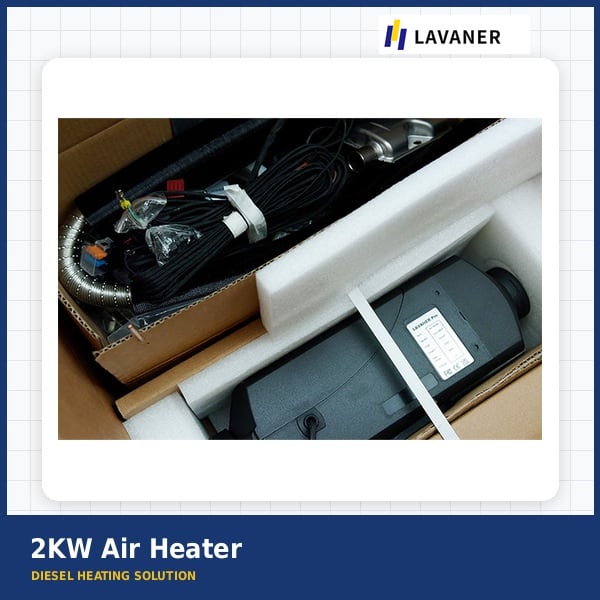
Choosing between a 2 kW and a 5 kW diesel air heater is not simply a matter of buying the more powerful model. The right size depends on how much heat your vehicle loses, how you use it and the temperatures you expect to encounter. For camper van owners and vehicle converters, a properly matched heater can make the difference between comfortable, steady heating and a system that is difficult to regulate.
Start with Cabin Size, Insulation and Climate
Vehicle dimensions are a useful starting point, but they do not tell the whole story. A compact van with bare metal panels and large windows may lose heat faster than a larger, well-insulated camper. Roof height, glazing, door openings, air leakage and the number of spaces being heated all affect demand.
Consider the conditions in which the vehicle will actually operate. A heater sized for occasional autumn trips may not be suitable for overnight stays in freezing conditions. Vehicle converters should also check the intended duct layout: long or restrictive runs can affect warm-air delivery even when the heater has sufficient rated output.
When a 2 kW Diesel Air Heater Makes Sense
A 2 kW air heater is often a practical fit for compact camper vans, small cabins and well-insulated conversions. Where heat loss is moderate, the lower output can provide comfortable heating without repeatedly pushing the cabin temperature above the set point.
It is especially worth considering for users who spend long periods parked off-grid, where fuel use and electrical demand matter. However, a 2 kW rating is not a guarantee of performance in every small vehicle. Poor insulation, extreme cold and frequent door opening can increase the heat required substantially.
When a 5 kW Heater Is the Better Choice
A 5 kW diesel air heater gives greater heating capacity for larger interior volumes, long-wheelbase vehicles, less insulated cabins and colder operating conditions. It can also be helpful when a vehicle needs to recover heat quickly after the doors have been opened or the cabin has been left unheated.
More output does not automatically mean more comfort. The minimum operating output, temperature-control behavior and air distribution should also be considered. A 5 kW unit installed in a very small, well-insulated space may spend more time cycling rather than running steadily.
Avoid Oversizing—and Check the Whole Heating System
Oversizing can cause frequent on/off cycling in some installations. Repeated starts may increase electrical demand and make temperature control less consistent; frequent low-load operation can also contribute to combustion deposits, depending on the heater and its operating strategy. Undersizing creates a different problem: the unit may run near maximum output without reaching the desired temperature.
Before choosing, compare the vehicle's insulation, typical outside temperature, electrical system and planned warm-air ducting. LAVANER offers 2 kW and 5 kW diesel air heater options together with controllers and installation components. Sharing the vehicle model and intended use is the best starting point for selecting a suitable configuration.