
 EN
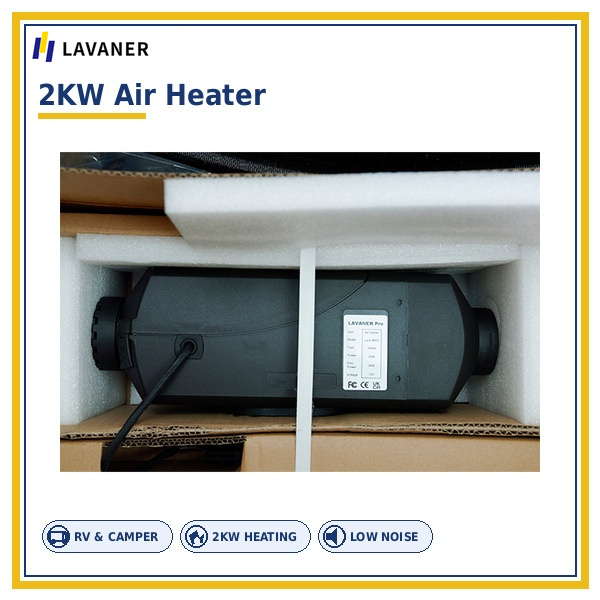
A diesel air heater may perform well in normal conditions yet become harder to start in winter or at higher elevations. Cold fuel, low battery voltage and reduced air density affect different parts of the heating process. Understanding these factors helps camper van owners, fleet operators and vehicle builders choose the right heater and prepare it for demanding journeys.
Cold Starts: Fuel Quality and Battery Voltage Come First
In freezing weather, unsuitable diesel fuel can form wax crystals that restrict flow through filters or narrow fuel lines. A weak battery is another common source of trouble: the heater needs adequate voltage during its start-up sequence, when the glow plug and fan place a higher demand on the power supply.
Use fuel appropriate for the expected temperatures, keep the fuel system clean and check the battery and wiring before winter travel. Any fuel additive should be compatible with the fuel, vehicle and heater manufacturer's instructions rather than treated as a universal solution.
Why Altitude Changes the Air–Fuel Balance
At higher elevations, lower atmospheric pressure means less oxygen is available in a given volume of air. Without appropriate compensation, a diesel heater may deliver too much fuel for the available air, increasing the risk of incomplete combustion, smoke and deposits.
On LAVANER's brushless air-heater platform, the ECU uses an integrated barometric-pressure sensor to support automatic altitude compensation by adjusting fuel delivery. This is pressure-based control—not direct measurement of oxygen in the exhaust. The feature helps maintain more suitable combustion conditions, but it cannot eliminate the effect of thin air or guarantee unchanged heat output at every altitude. Operating limits should always be checked for the specific model.
Brushless Fans, Power Use and Overnight Comfort
A brushless blower can offer advantages in motor efficiency, service life and noise performance compared with a comparable brushed design. Actual results still depend on the motor, fan, airflow setting, mounting and duct arrangement; no heater is completely silent.
For overnight use, stable voltage and an unobstructed warm-air path matter as much as fan design. Poor ducting, an incorrectly positioned temperature sensor or excessive vibration can make even a capable heater seem noisy or inconsistent. LAVANER provides brushless air-heater options, and the available controls and electrical specifications should be matched to the intended installation.
A Practical Checklist Before Winter or Mountain Travel
Inspect fuel lines, the filter and connections for damage or leakage, and check that the fuel grade is suitable for low temperatures.
Confirm that the battery, wiring and fuse are suitable for start-up demand, not just steady running.
Keep the combustion-air inlet and exhaust outlet clear of snow, ice, mud and debris. Never route combustion gases into occupied spaces, and use a suitable carbon monoxide alarm in the vehicle.
Check whether the exact heater model supports automatic altitude compensation and the altitude range specified for it. Follow the manufacturer's maintenance and operating instructions, especially before remote trips.
Reliable winter heating is the result of appropriate equipment, correct installation and routine inspection—not heater output alone.