
 EN
EN
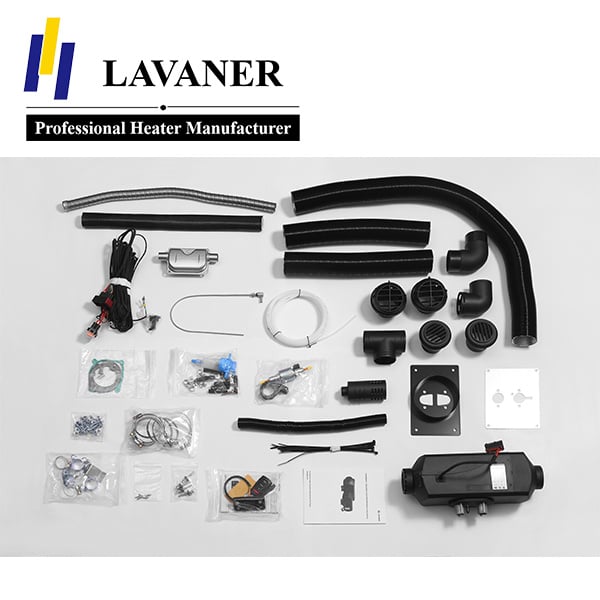
How Closed-Loop Temperature Control Improves Efficiency and Reliability in Diesel Heaters.
Closed-loop temperature control is one of the most important technologies in modern diesel heaters. It directly affects comfort, fuel consumption, and component lifespan.
What Closed-Loop Control Actually Means
In a closed-loop system, the heater continuously compares measured temperature with the user-set target temperature. Instead of switching fully on or off, the system adjusts output gradually.
This allows the heater to maintain a stable temperature with minimal energy waste.
Core Components of the Control Loop
A typical closed-loop system includes:
• Temperature sensors
• A control unit (ECU)
• A metered fuel pump
• A variable-speed combustion fan
Each component responds dynamically to feedback from the system.
How Output Adjustment Saves Fuel
When heating starts, output increases to reach the target temperature quickly.
As the temperature approaches the set value, fuel delivery and airflow are reduced.
This avoids:
• Repeated start-stop cycles
• Excessive fuel consumption
• Thermal stress on components
Impact on Heater Longevity
Stable operation reduces carbon buildup, limits overheating, and lowers wear on glow plugs and heat exchangers—directly extending service life.
Closed-loop control is not a comfort feature alone; it is a core efficiency and durability mechanism.