
 EN
EN
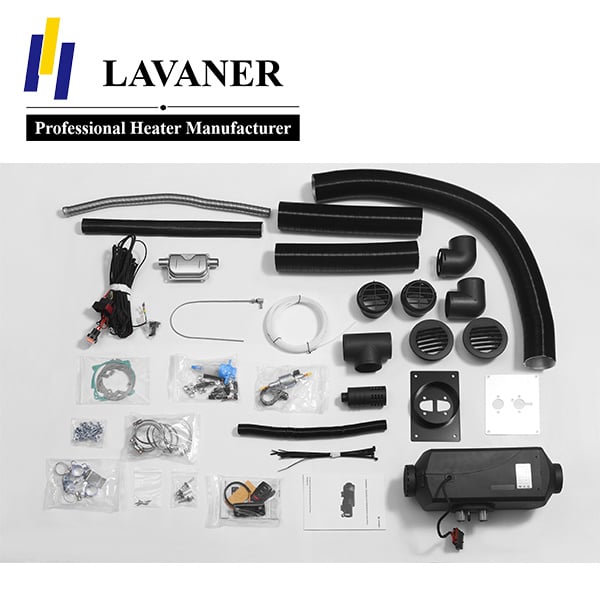
Designing Diesel Heaters for Marine Applications:
Materials, Sealing, and Installation Considerations
Marine environments are among the most demanding operating conditions for diesel heaters. Salt exposure, moisture, vibration, and limited installation space require specific engineering considerations beyond standard vehicle use.
Corrosion Resistance in Marine Environments
Saltwater and salt-laden air accelerate corrosion. To counter this, heaters intended for marine use typically rely on:
• Stainless steel or corrosion-resistant alloys for combustion and exhaust components
• Protective surface treatments and coatings
• Careful material selection for fasteners and brackets
Corrosion resistance is not about appearance—it directly affects long-term safety and reliability.
Moisture and Condensation Control
Marine heaters are frequently exposed to condensation caused by temperature changes. Effective design focuses on:
• Sealed electrical connectors
• Protected control units
• Internal layouts that prevent water accumulation near electronics
Moisture intrusion is one of the most common causes of electrical failure in marine installations.
Vibration and Structural Stability
Hull movement and engine vibration place continuous stress on mounted equipment. Marine-adapted heaters use:
• Vibration-absorbing mounting solutions
• Secure internal component fixation
• Exhaust and fuel connections designed to tolerate movement
This reduces fatigue-related failures over long service periods.
Installation Reality on Boats
Space is often limited. Compact layouts and flexible mounting options allow heaters to be installed safely without compromising airflow, service access, or heat dissipation.
Marine suitability is not a single feature—it is the result of multiple design and installation considerations working together.