
 EN
EN
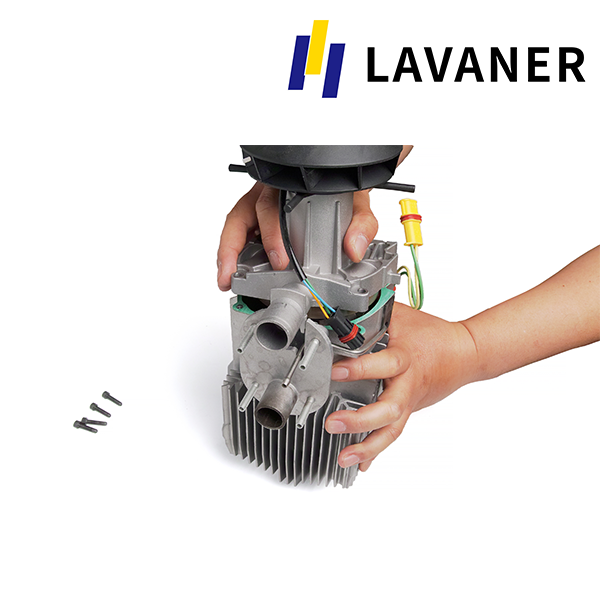
How RV Insulation Affects Diesel Heater Performance and Temperature Control.
Why Heater Performance Depends on More Than Heater Output
In an RV, heating performance is influenced not only by the diesel heater itself, but also by how well the vehicle retains heat and how the temperature is controlled. Even a properly sized heater may need to run harder and cycle more often if heat escapes quickly through windows, floor sections, vents, door seals, and other weak points in the vehicle structure.
For that reason, users should look at the full heating environment rather than judging performance only by heater wattage or controller settings. Better thermal retention usually improves comfort, reduces unnecessary runtime, and makes cabin temperature easier to manage in changing outdoor conditions.
Common Heat-Loss Points in RV Use
In practical RV use, heat is often lost through multiple small areas rather than one major opening. Common examples include window edges, roof vents, entry doors, floor penetrations, service hatches, and poorly sealed utility openings. Drafts around these areas can make the indoor space feel colder even when the heater is operating normally.
Improving several minor weak points can therefore produce a noticeable difference in real-world heating comfort. This is especially relevant during overnight parking, winter camping, or windy conditions where heat loss becomes continuous rather than occasional.
How Insulation and Airflow Affect Diesel Heater Behavior
When the vehicle loses heat too quickly, the diesel heater may spend more time operating at higher output or cycling frequently to maintain the target temperature. This can reduce comfort by creating wider temperature swings and may also make the system feel less stable from the user perspective. Good insulation and sensible hot-air routing help the heater maintain cabin temperature more evenly.
This is why insulation work and heater setup should be considered together. A controller upgrade alone cannot fully compensate for major drafts, poor ducting, or weak thermal retention.
Choosing a Suitable Temperature-Control Approach
Temperature control still matters, especially in RVs used across different climates. Basic manual control may be acceptable for simple use patterns, while more advanced controllers can help maintain a steadier target temperature and reduce the need for repeated manual adjustment. The right choice depends on the heater platform, the user's expectations, and how the RV is actually used.
Before changing controllers or thermostat arrangements, users should confirm compatibility with the heater, review installation complexity, and consider whether the upgrade will provide a practical benefit in daily use. In many cases, the best result comes from combining better heat retention with a control method that matches the vehicle and usage pattern.
Conclusion
Improving RV heating efficiency is usually a system-level task rather than a single-product upgrade. When insulation quality, heat-loss points, airflow setup, and temperature control are considered together, a diesel heater can operate more steadily, maintain comfort more effectively, and perform better in real cold-weather conditions.