
 EN
EN
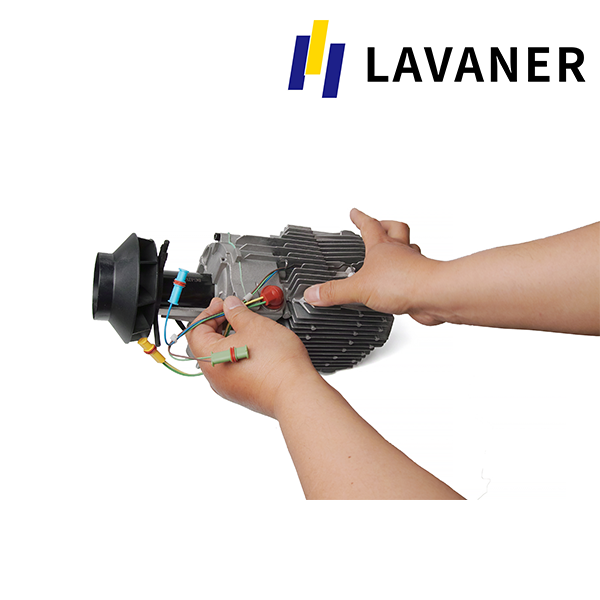
Diesel Heater Not Producing Heat? Common Causes and Inspection Priorities.
Start by Identifying What the Heater Is Actually Doing
When a diesel heater is not producing useful heat, the first step is to observe the symptom carefully instead of treating every case as the same fault. Some heaters do not start at all. Some power on and run the fan but fail to ignite. Others ignite but still deliver weak heat because airflow, combustion, or control conditions are not correct.
That distinction matters because a 'no heat' complaint can come from different stages of operation. Before moving into deeper inspection, check whether the unit is in heating mode rather than ventilation-only mode, whether the temperature setting is reasonable, and whether the hot-air outlet and return-air path are both unobstructed.
Airflow and Heat Delivery Checks
A heater can ignite normally but still feel ineffective if hot air is not being delivered properly into the cabin. Crushed ducts, blocked outlets, poor outlet positioning, restricted return air, or excessive duct length can all reduce perceived performance. In cold-weather applications, poor insulation or major drafts can also make a functioning heater appear weaker than it really is.
For this reason, users should not judge the heater only by whether the controller powers on. It is also important to consider whether warm air is reaching the intended space efficiently and whether heat loss inside the vehicle is masking the real operating condition.
Fuel, Ignition, and Combustion Factors
If the heater runs through startup but does not build stable heat, fuel delivery and combustion quality are common inspection points. Low fuel level, air in the line, a partially blocked filter, poor fuel-line routing, contaminated fuel, or metering-pump issues can all interfere with ignition or combustion stability. Repeated failed starts may also lead to carbon-related issues inside the combustion area.
The heater should not be forced through repeated restart attempts without inspection. If ignition repeatedly fails, the root cause should be identified first, otherwise the condition may worsen and make later servicing more difficult.
Electrical Stability and Component Condition
Diesel heaters are sensitive to supply voltage during startup because the control unit, fan, glow plug, and fuel metering sequence must all work together. Weak batteries, poor cable connections, damaged wiring, unsuitable cable sizing, or unstable voltage can prevent normal ignition even when the heater appears to switch on.
Glow plug condition, sensor feedback, and controller faults may also affect startup and heat output. If the heater smokes heavily, shuts down repeatedly, or reports recurring error codes, inspection should move beyond basic settings and include the relevant electrical and combustion-related components.
Conclusion
A diesel heater that is not producing heat does not always have a major internal failure, but the symptom should be diagnosed carefully. By separating airflow issues, fuel and ignition problems, electrical instability, and genuine internal faults, users can inspect the system more effectively and avoid unnecessary part replacement or repeated failed starts.