
 EN
EN
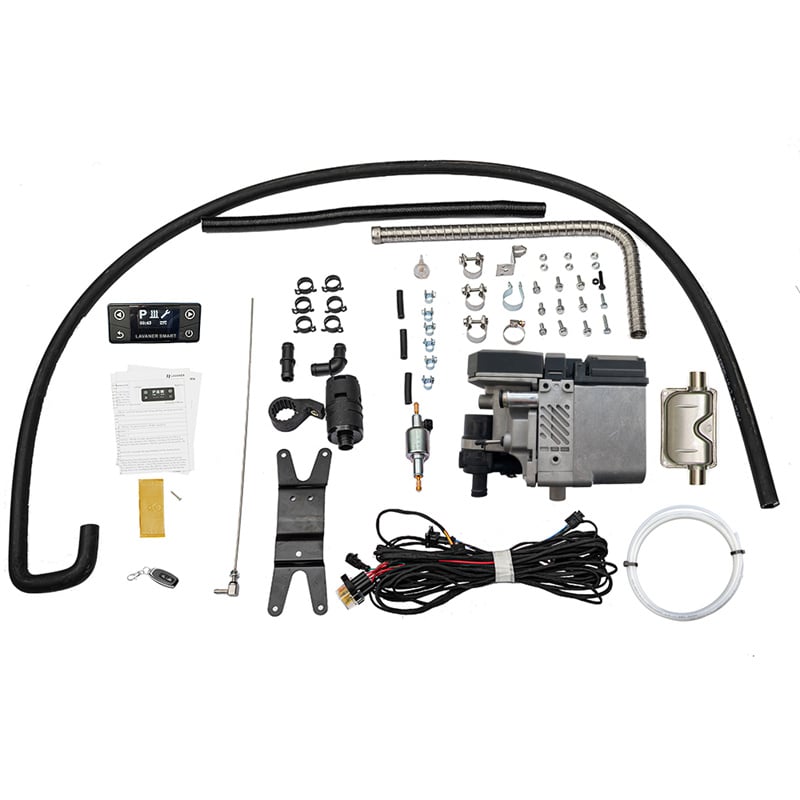
Marine heating is more demanding than many land-based applications. Boats and work vessels face salt air, vibration, humidity, limited space, and strict safety expectations. A hydronic water heater can provide quiet and steady heat on board, but the heater and installation must be suitable for the marine environment.
When selecting a hydronic heater for marine use, the focus should not be only on heating output. Material durability, corrosion resistance, exhaust routing, electrical protection, and service access all affect long-term reliability.
Understand the Marine Operating Environment
Salt mist is one of the biggest challenges for marine equipment. It can corrode fasteners, damage unprotected terminals, and create conductive deposits on electrical parts. Even equipment installed inside a cabin or engine space may be exposed to humidity and condensation.
Motion and vibration are also constant concerns. A heater may experience engine vibration, wave impact, and repeated movement while underway. Components that are acceptable in a stationary installation may loosen or fatigue more quickly on a vessel.
Power availability can be limited, especially on sailboats or small vessels that rely on battery banks. A marine heating system should provide reliable startup without placing unnecessary load on the DC electrical system. Cable length, wire size, battery condition, and voltage drop must all be considered.
Choose Materials Suitable for Corrosion Resistance
Corrosion resistance should be reviewed across the full system, not only the heater casing. The heat exchanger, coolant passages, fittings, clamps, screws, brackets, and electrical connectors all need to withstand a humid and salty environment.
Powder-coated or anodized external parts can help protect the heater body. Stainless steel fasteners and corrosion-resistant clamps are often preferred in marine installations. Electrical connectors should be protected from splash, condensation, and salt deposits wherever possible.
For internal electronics, conformal coating or other moisture protection can improve reliability in harsh environments. If the heater is expected to operate near an engine compartment, bilge area, or damp storage space, ask the supplier how the control board and connectors are protected.
Review the Heat Exchanger and Coolant Circuit
A marine hydronic heater normally works through a closed coolant loop. The coolant should include appropriate corrosion inhibitors and freeze protection according to the heater and vessel requirements. Using the wrong coolant or mixing incompatible fluids can reduce heat transfer, damage seals, or create deposits inside the system.
The heat exchanger should be able to handle repeated thermal expansion and vibration. Coolant hoses should be rated for temperature and pressure, and they should be secured so that they cannot rub against sharp edges or moving parts. Long runs through cold or exposed areas should be insulated where appropriate.
Air bleeding is especially important on boats because hose routes may include high and low points around bulkheads, lockers, or equipment spaces. The system should be designed so that it can be filled, bled, and inspected without excessive disassembly.
Vibration, Mounting, and Fuel System Considerations
The heater should be mounted on a solid structure and protected from direct water exposure. Where vibration is expected, suitable isolation mounts or rubber grommets can help reduce stress and noise. Fuel pumps and coolant pumps should be mounted securely and positioned according to the manufacturer’s instructions.
Fuel lines should be compatible with the fuel used on board and routed away from heat sources, sharp edges, and areas where they may be stepped on or crushed. Connections should be easy to inspect. Any fuel system modification should follow marine installation practices and applicable local requirements.
Noise transmission also deserves attention. A pump that is hard-mounted to a thin bulkhead may create more cabin noise than expected. Using proper mounting locations and vibration isolation can make a significant difference in user comfort.
Exhaust Routing and Safety
Combustion intake and exhaust routing are critical in marine applications. Exhaust outlets must be positioned to reduce the risk of water entry, gas re-entry, or heat damage to nearby materials. The route should follow the heater manufacturer’s instructions and the vessel builder’s safety requirements.
Because boats are enclosed spaces, carbon monoxide protection is essential. A suitable CO detector should be installed in the cabin, and the exhaust system should be inspected regularly for leaks, corrosion, loose clamps, or blocked outlets.
Before installation, confirm whether the vessel, marina, insurer, or local authority requires specific marine standards or inspection procedures. Requirements can vary by market and vessel type, so these checks should be completed before the heater is purchased or installed.
Conclusion
A marine hydronic water heater must be selected for more than heat output. Salt resistance, protected electronics, secure mounting, safe exhaust routing, coolant compatibility, and service access all determine whether the system will remain reliable on board. For marine use, a cautious selection and installation plan is the best way to protect both comfort and safety.