
 EN
EN
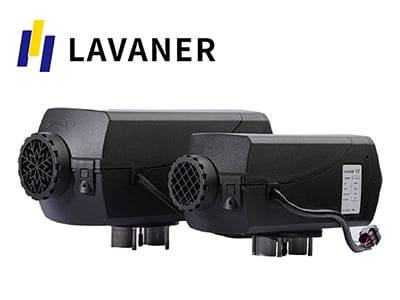
Heating efficiency determines how much usable heat a diesel heater can deliver from each milliliter of fuel. Although modern heaters are designed for high thermal output, real-world efficiency is heavily influenced by several practical factors—most of which come from installation, maintenance, and fuel conditions rather than the heater itself.
Below are the key elements that have the greatest impact on heating performance.
Carbon Deposits Inside the Combustion System
Carbon is the enemy of efficiency.
It forms when fuel does not burn completely and gradually accumulates on:
• The combustion chamber
• The ignition screen
• The glow plug
• The exhaust pathway
Why carbon reduces efficiency
Carbon acts as an insulating layer, preventing heat from transferring effectively to the heat exchanger. It also disrupts airflow and can lead to incomplete combustion.
How to prevent it
• Use clean diesel fuel
• Ensure proper airflow and exhaust routing
• Avoid excessive low-power operation
Regular maintenance immediately improves heat output and fuel efficiency.
Condition and Cleanliness of the Heat Exchanger
The heat exchanger is responsible for transferring combustion heat to the cabin air.
If its internal surfaces or air channels are partially blocked by soot or external dust, overall heat output decreases.
Fuel Quality and Temperature
The quality and temperature of diesel fuel directly affect atomization.
Low-quality fuel causes:
• Poor atomization
• Increased soot
• Uneven flame
• Lower combustion temperature
Cold diesel (winter conditions) leads to:
• Higher viscosity
• Slower vaporization
• Harder ignition
• Reduced heat output
Using clean, winter-grade diesel avoids many efficiency issues and significantly improves combustion stability.
Air Intake, Ventilation, and Installation Environment
A heater requires the correct air–fuel ratio to burn diesel efficiently.
Things that reduce ventilation quality
• Blocked or dusty air intake
• Overly long or bent exhaust pipe
• Intake and exhaust positioned too close together
• Restricted airflow inside the cabin
Environmental factors
• High altitude = thinner air = less oxygen → lower heat output
• Very cold environments may slow fuel vaporization
• Confined or poorly ventilated spaces restrict fresh combustion air
Proper installation layout and clean ventilation pathways allow the heater to maintain designed thermal output.
Heating efficiency isn’t determined by the diesel heater alone—it depends on fuel quality, airflow, carbon residue, heat exchanger cleanliness, and the installation environment.
By keeping these factors optimized, a diesel heater can consistently deliver strong, reliable heat with minimal fuel consumption.