
 EN
EN
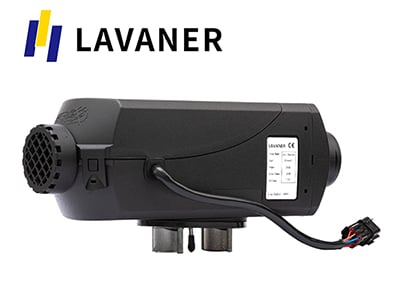
A diesel parking heater may be compact in size, but its combustion system is a highly precise engineering mechanism. Stable ignition, clean combustion, and reliable heat output all depend on several critical design elements working together. Based on Lavaner’s 10+ years of heater development and field testing, the following core principles define a high-quality combustion system.
Precision Fuel Metering
A diesel heater relies on a micro-metered fuel pump that delivers exact quantities of diesel at each pulse.
Stable combustion requires:
• Consistent fuel droplet size
• Smooth and bubble-free fuel flow
• Proper pump installation angle
• Clean filters and correct line length
Any disruption—air in the fuel line, contaminated diesel, or an incorrect installation angle—directly affects ignition and combustion stability.
Controlled Intake Airflow
Airflow is just as critical as fuel supply.
The combustion fan must send a precisely calculated volume of air into the chamber while maintaining a balanced pressure between intake and exhaust.
✔ Core airflow design parameters
• Fan blade geometry
• Intake duct diameter and shape
• Swirl generation inside chamber
• Pressure difference between inlet & exhaust
✔ Engineering goals
• Create a high-turbulence zone for fuel vaporization
• Maintain a stable, centered flame
• Ensure complete combustion
• Avoid backflow or flame “lift-off”
✔ Factors that disrupt airflow
• Clogged intake duct
• Excessively long or bent exhaust pipe
• Intake/exhaust installed too close together
• Water accumulation in exhaust
Airflow is the “combustion oxygen supply chain”—if it is unstable, the flame becomes unstable.
High-Temperature Combustion Chamber Design
The combustion chamber(Burner) must maintain a stable flame while withstanding repeated heating cycles.
Key engineering features include:
• Heat-resistant stainless-steel structure
• Optimized chamber curvature for flame stability
• A vaporization mesh (ignition screen) that distributes heat evenly
• Minimal dead zones where soot could accumulate
A good chamber design reduces carbon buildup, improves thermal efficiency, and ensures long-term durability.
Reliable Ignition System
Diesel heaters use a high-temperature glow plug to initiate combustion.
A strong ignition system must provide:
• Fast heating to the target ignition temperature
• Even heat transfer to the ignition screen
• Proper timing between ignition and fuel pulses
Carbon on the glow plug or a degraded ignition screen will slow down ignition and may lead to repeated failed starts.
Intelligent Combustion Control
Modern heaters use sensors and control logic to keep the system operating at optimal conditions.
Key parameters monitored include:
• Chamber temperature
• Fuel pump pulse frequency
• Combustion fan speed
• Voltage stability
• Flame detection feedback
By adjusting these variables in real time, the controller maintains a clean, efficient combustion process and prevents issues such as overheating, flameout, or excessive soot.
A stable diesel heater isn’t the result of a single component—it’s the combination of precise fuel metering, controlled airflow, robust chamber design, efficient ignition, and intelligent control. When these elements are engineered correctly, the heater delivers higher efficiency, lower emissions, and long-term reliability in all environments.