
 EN
EN
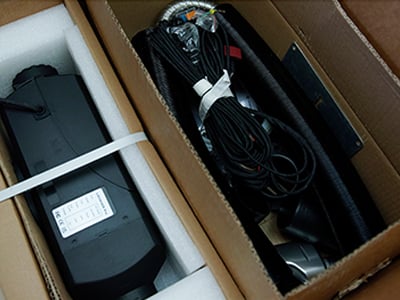
Diesel heater noise typically comes from three areas: the fan, the combustion process, and mechanical vibration. While a heater can never be completely silent, proper installation and component optimization can dramatically reduce the perceived noise level. Below are three proven noise-control methods based on real engineering practices.
Reducing Fan Noise Through Airflow Optimization
Fan noise is usually the most noticeable, especially at high power.
Why fan noise happens
• Air turbulence
• Motor vibration
• Narrow or obstructed air ducts
Effective solutions
• Ensure the heater has sufficient intake air and unobstructed outlets
• Avoid sharp bends, narrow ducts, and blocked grilles
• Use models with brushless motors, which operate more smoothly and quietly
A clean and unrestricted airflow path can reduce fan noise by 20–30%.
Combustion Noise Control
Combustion noise comes from the burning process inside the chamber and from the exhaust system.
Source of combustion noise
• Rapid ignition
• Pressure pulses
• Exhaust resonance
How to reduce it
• Maintain a clean combustion chamber to ensure smooth, stable flame
• Use high-quality winter diesel for more complete combustion
• Install a properly sized exhaust muffler
• Keep the exhaust pipe as straight and short as possible
A well-installed exhaust system significantly reduces rumble and high-frequency ignition noise.
Minimizing Mechanical Vibration and Pump Ticking
Mechanical noise often comes from:
• The ticking of the fuel pump
• Vibration transmitted through the vehicle body
• Heater chassis resonance
Practical noise-reduction methods
• Mount the fuel pump on rubber isolators rather than metal surfaces
• Add vibration-damping pads between the heater and the mounting plate
• Avoid installing the heater on thin, resonant sheet metal
• Ensure all screws and mounts are tight to prevent rattling
These steps eliminate structure-borne noise, making the heater much quieter inside the cabin.
Fan turbulence, combustion pulses, and mechanical vibration are the three major sources of diesel heater noise. By optimizing airflow, improving the exhaust layout, and isolating mechanical vibration, overall noise levels can be reduced significantly.
These simple engineering adjustments help create a quieter, more comfortable heating experience—especially during long winter nights.