
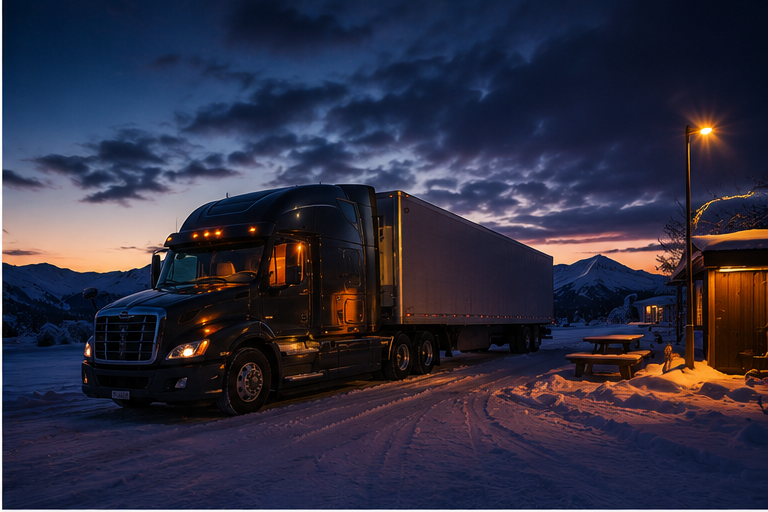
For RV owners, camper van users, and professional truck drivers, heating is more than a matter of comfort. In cold climates, it can affect rest quality, vehicle readiness, fuel efficiency, and daily safety. A diesel hydronic water heater uses fuel to...
VIEW MORE
A diesel heater can generate plenty of warm air, but real comfort depends on how that air is delivered throughout the space. In a camper van, truck cabin, RV, or small marine cabin, it is common to feel warm near the heater while the rear area, footw...
VIEW MORE
Setting up a hydronic heating system for a small home, off-grid cabin, workshop, or similar space requires more planning than placing a portable heater in the room. The heater, pump, thermostat, wiring box, coolant circuit, and heat emitters must all...
VIEW MORE
Heating a large workshop, warehouse, greenhouse, or open-plan commercial building is mainly a distribution problem. The heater may have enough power, but the space can still feel uneven if warm air stays near the ceiling or only one area receives mos...
VIEW MORE
A hydronic diesel heater can often be serviced and kept running for many years. However, there comes a point when repeated repairs, poor efficiency, unstable operation, or safety concerns make replacement more sensible than continued maintenance. The...
VIEW MORE
Selecting an industrial hydronic heater is not only a question of heating capacity. In workshops, warehouses, greenhouses, and fleet service facilities, the pipe runs are often long and the number of heat emitters can be large. Flow rate, pump head, ...
VIEW MORE
Frozen coolant pipes are one of the most serious winter risks for a hydronic heating system. When liquid freezes inside hoses, radiators, fittings, or the heater water jacket, it expands and can split components that are expensive to repair. Good win...
VIEW MORE
A hydronic diesel heater may appear to be running while still delivering little or no heat to the cabin, workshop, or coolant circuit. In many cases, this does not mean the heater itself has failed. The problem is often related to coolant flow, air t...
VIEW MORE
Modern diesel heating systems are no longer limited to simple on/off operation. With the right control system, users can manage temperature more accurately, reduce unnecessary fuel use, receive fault information earlier, and operate the heater more c...
VIEW MORE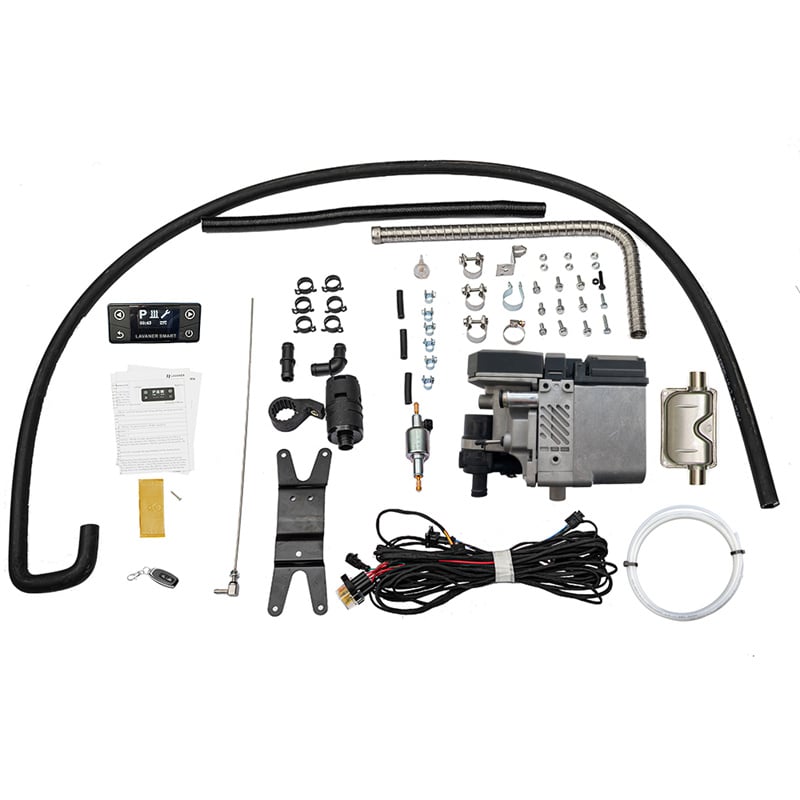
Marine heating is more demanding than many land-based applications. Boats and work vessels face salt air, vibration, humidity, limited space, and strict safety expectations. A hydronic water heater can provide quiet and steady heat on board, but the ...
VIEW MORE
Winter RV travel can be comfortable, but only when the heating system is designed for real cold-weather use. In an RV, heat must cover more than the seating area. Floors, beds, bathrooms, water tanks, pipes, and storage compartments may all need prot...
VIEW MORE
Hydronic diesel heating systems and electric heaters can both provide useful heat, but they are designed for very different operating conditions. Electric heaters are simple, quick to use, and convenient when stable grid or shore power is available. ...
VIEW MORE EN
EN